

Exploring the Features and Applications of the 33-Zone Walk-Through Metal Detector
Introduction to the 33-Zone Walk-Through Metal Detector
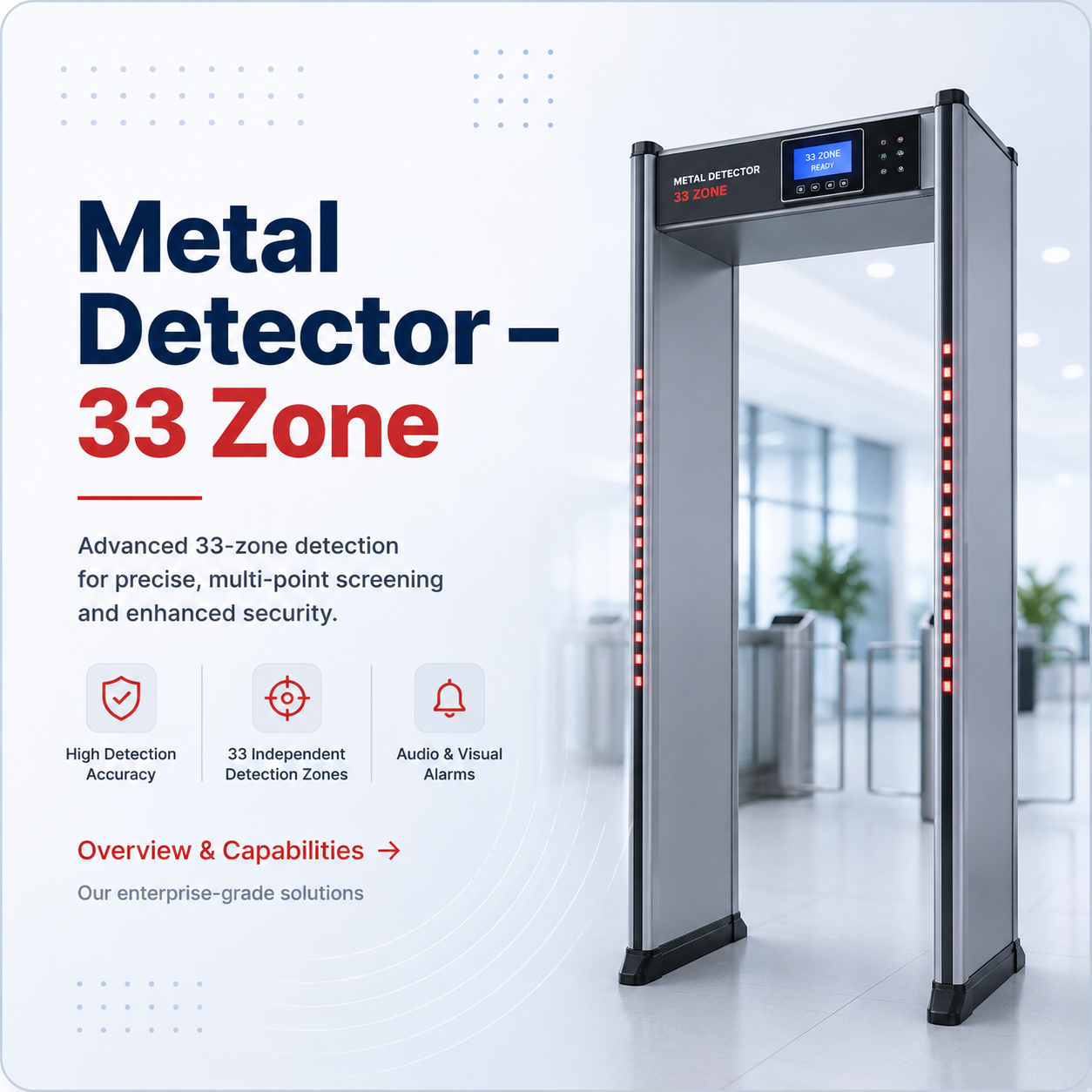
The 33-zone walk-through metal detector represents a significant advancement in security technology, designed to enhance the capability of screening for metallic objects in various environments. Its design incorporates multiple detection zones, allowing for precise localization of the detected metal, which is invaluable in high-security settings. This feature enables security personnel to identify not only the presence of a metallic object but also its exact position on the individual passing through the detector.
These metal detectors are increasingly deployed in airports, where the need for stringent security measures is paramount. They facilitate efficient screening of passengers, allowing for quick identification of potential threats while minimizing wait times. Furthermore, their application extends to schools and government buildings, where ensuring the safety of individuals is a top priority. In educational institutions, the presence of walk-through metal detectors can serve as a deterrent against weapons and enhance the overall sense of security among students and staff.
The growing demand for enhanced security screening in public spaces has led to the adoption of the 33-zone walk-through metal detector. Increasing incidents of violence and terrorism have necessitated an upgrading of security measures to safeguard citizens. These detectors offer a robust solution, enabling organizations to comply with safety regulations while maintaining a non-invasive approach to personal security. With advancements in detection technology, the 33-zone metal detector not only improves safety but also integrates seamlessly into the flow of daily operations in busy environments.
In summary, the 33-zone walk-through metal detector is a vital tool in modern security measures, providing a high level of safety in a wide array of settings where large groups of people congregate. Its ability to pinpoint the exact location of metallic objects enhances the screening process, significantly contributing to the overall efficacy of security protocols.
Key Features and Specifications
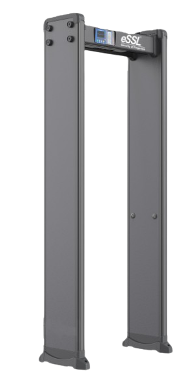
The D330-33-IP65 Walk-Through Metal Detector is engineered to offer enhanced flexibility and precision in security applications. One of its standout features is the availability of multiple detection zones, which can be configured to 11, 22, or 33 zones. This versatility allows users to customize the detection sensitivity based on their specific security needs, ensuring that threats can be pinpointed accurately.
In terms of performance, the detector boasts adjustable sensitivity levels ranging from 0 to 400, permitting fine-tuning to minimize false alarms while maximizing security effectiveness. This feature is particularly relevant in environments where the detection of both ferrous and non-ferrous metals is crucial.
The D330-33-IP65 is constructed to meet rigorous standards of durability, evidenced by its IP65 rating, which indicates significant protection against dust and water. This makes it suitable for both indoor and outdoor surveillance, regardless of weather conditions. Additionally, the operating temperature range enhances its application versatility, ensuring reliable functionality across varying climates.
Another notable aspect of the device is its lightweight construction without compromising strength, allowing for easy installation and relocation as security requirements evolve. It is built using robust materials that withstand wear and tear, further extending its lifespan.
The digital display serves as a user-friendly interface, providing real-time feedback and enabling easy adjustment of settings. Users can also choose from a variety of alarm tones to ensure that alerts are both effective and discernible in any environment. Furthermore, the power supply requirements are adaptable, allowing for seamless integration with existing power systems in various settings.
Applications of the Metal Detector
The 33-zone walk-through metal detector demonstrates a wide array of applications across various sectors, illustrating its versatility and importance in maintaining safety and security. In office environments, these devices are increasingly used to bolster employee security. By screening individuals as they enter the premises, organizations can significantly reduce the likelihood of unauthorized weapons or metallic objects being brought into sensitive areas.
Schools are another prominent setting where the application of walk-through metal detectors is critical. Their deployment not only enhances student safety but also reassures parents and staff about the protective measures in place. With increasing concerns regarding violence in educational institutions, the installation of these detectors serves as a proactive approach to preventing incidents, thereby promoting a safer learning environment.
In industrial settings, such as factories, walk-through metal detectors play a vital role in enforcing compliance with safety regulations. Many industries require stringent checks of both personnel and equipment to prevent any introduction of hazardous materials into production lines. These detectors are instrumental in ensuring that all workers adhere to safety protocols by detecting any unauthorized metallic items before they enter sensitive areas.
Moreover, public events and venues increasingly employ walk-through metal detectors to uphold safety protocols. Concerts, sporting events, and conventions often attract large gatherings of people, raising the stakes for potential security threats. The use of these metal detectors helps event organizers to manage risk effectively, ensuring that attendees can enjoy the experience without compromising on safety.
Overall, the relevance of the 33-zone walk-through metal detector cannot be understated, especially in high-security applications. Its capability to efficiently identify any metallic items enhances safety across diverse environments, making it a crucial investment for organizations prioritizing security.
Benefits of High-Performance Security Screening
The use of high-performance walk-through metal detectors, such as the 33-Zone model, offers a multitude of benefits across various applications. One significant advantage is the enhanced safety and security these systems provide. By deploying advanced screening technologies, organizations can effectively detect potential threats at entry points, thus preventing unauthorized access and ensuring the safety of individuals within their premises. Such systems are critical in environments like airports, schools, and public events where security is paramount.
Furthermore, these detectors facilitate quick screening capabilities, which is essential for managing crowd flow during peak times. With rapid detection processes, individuals can be screened efficiently without long wait times, leading to a smoother entry experience. This feature not only enhances the user experience but also maintains a high level of security even when faced with large crowds.
Another notable benefit of high-performance metal detectors is the reduction of false alarms. Traditional metal detection systems often trigger alarms unnecessarily, which can lead to frustration among users and can dilute the effectiveness of security measures. The sophisticated design of the 33-Zone detectors minimizes these occurrences through precise detection technology, allowing for a more reliable screening process.
Moreover, the real-time display features available in these detectors significantly enhance user interaction. Security personnel can instantly view detailed information about detected items, aiding in informed decision-making. This capability not only streamlines the screening process but also empowers security staff to respond swiftly to potential threats. Overall, investing in high-performance security screening technology like the 33-Zone walk-through metal detector is vital for reinforcing security measures and ensuring the safety of communities.